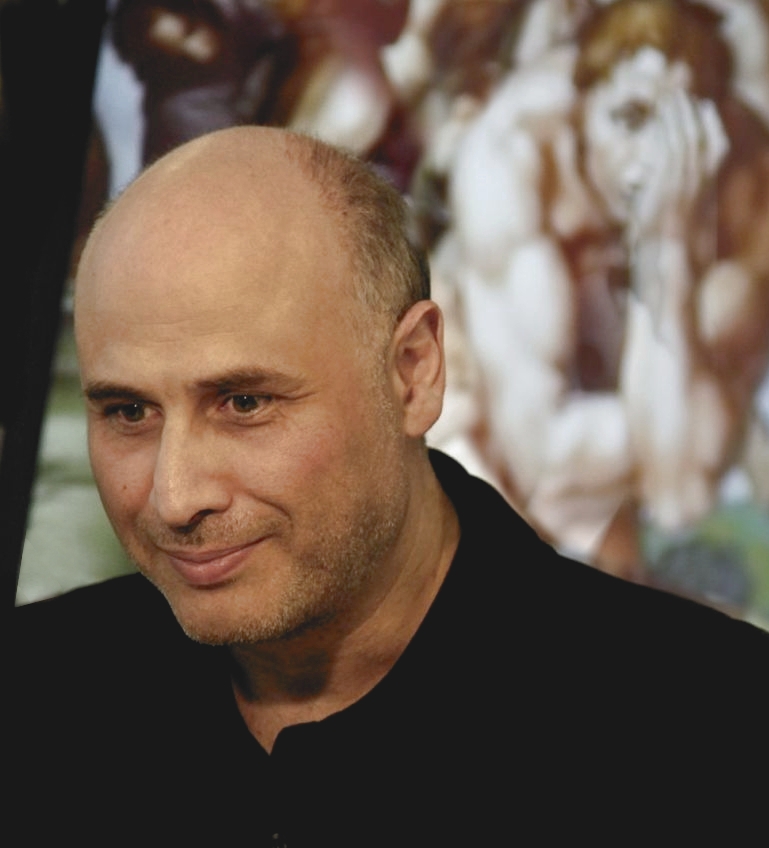
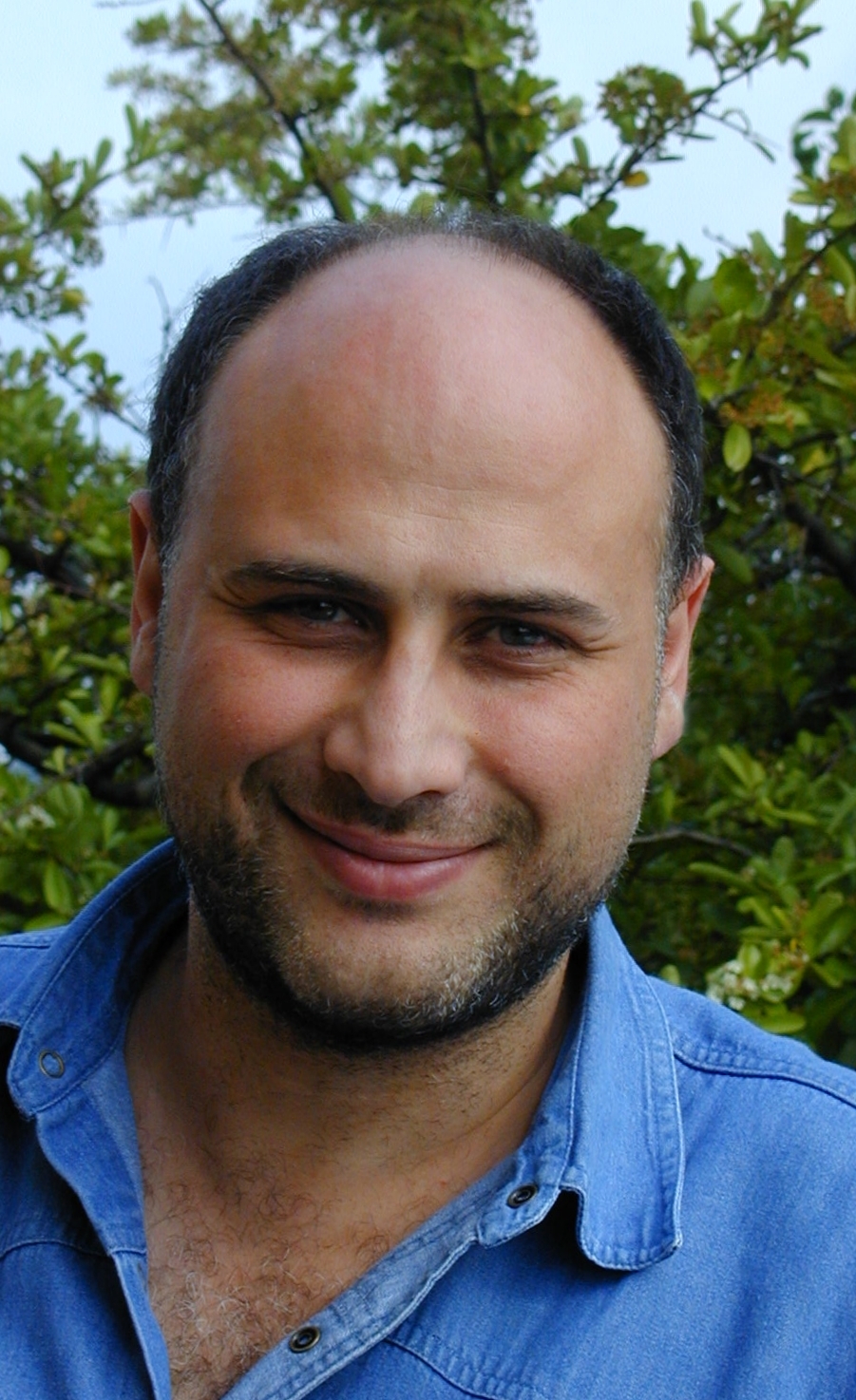
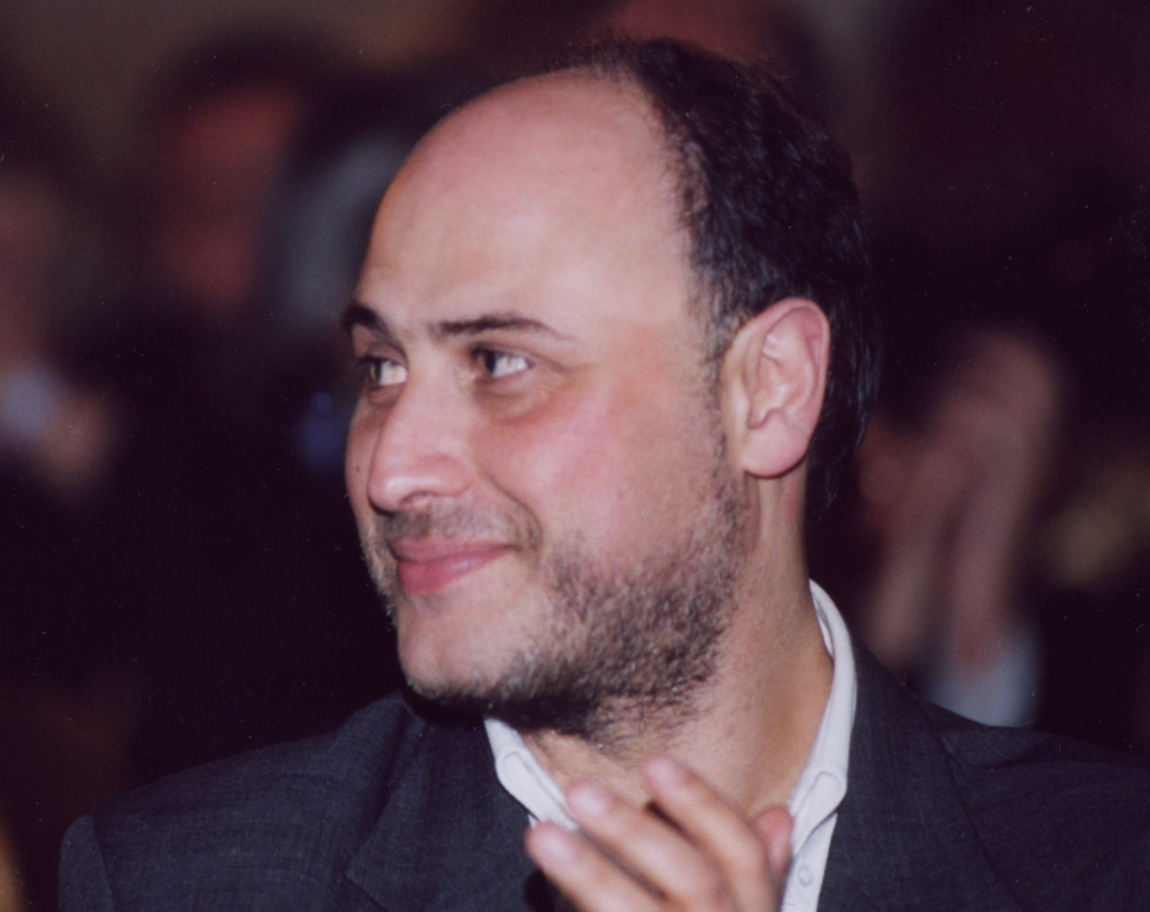
Paolo Miccichè was born in Rome in 1960.
He graduated from the University
of Milan reading History of music.
His thesis was on the birth of the comic
opera in 17th century.
He has a studio nearby Florence and teaches acting
for opera singers at the Musical Institute of Siena.
He was Resident-director at Teatro San Carlo of Naples
in 1990-91.
His debut as director was in Santiago (Chile) in 1985,
with a new production
of "Così fan tutte" by Mozart designed
by Beni Montresor.
Following which Miccichè and Montresor collaborated
on the 1988 high-tech production of Humperdinck's "Hansel
and Gretel" at the Grand Opera of Houston,
which was Miccichè's
American debut.
His interest in new technology and new materials continued
in Palermo (Italy)
with Verdi's "Il finto Stanislao"
,
which used projected images instead of scenography.
Using the same
process and "shadow puppetry",
he created "Carnaval",
a show with music by Schumann and Brahms,
realized for the Teatro Comunale
of Florence (1993).
In Sassari (Italy), in 1995, he directed a new production
of Mozart's "Don Giovanni" (set designer
Antonio Mastromattei)
where he used projections combined with unusual materials
- such as pierced iron plates - und an unconventional use of stage space.
In Seoul (Korea) - also with Mastromattei's scenery - he staged
a Rossini's "Cenerentola",
which used
the stage lifts for a "frenetic ballet",
opening with the rising of the Orchestra
from the pit during the crescendo of the Overture.
In 1996 he staged
a production of "Pagliacci"and "Cavalleria
rusticana"
at the Grosses Festspielhaus in Salzburg;
"Cavalleria"
was performed with the aid of a screen that covered all the front of the stage.
It allowed the use of four big projectors that realized
a "dialogue" between
the images and the traditional set.
His other credits, all in Italy,
include:
"La finta semplice" (Mozart)
in Pontedera, "Le Nozze di Figaro" (Mozart)
in Lecce,
"Attila" and "Rigoletto"
(Verdi) for the Roman Theatre of Benevento,
"The
Donkey's Shadow" (R.Strauss)
in Florence, "L'abandon
d'Ariane" (Milhaud) in Florence
Il Matrimonio Segreto (Cimarosa)
in Orvieto
In 1994 he found the Musical Association "La
Terza Prattica"
that produces chamber operas and plays connected
to the music;
among the others :
"Dirindina" (Domenico Scarlatti) inVerona;
Vinci's " Erighetta e Don Chilone"
in Palermo and Firenze;
Offenbach's "La
lezione di canto elettromagnetica"; Belasco's "Madama
Butterfly"
His Drama credits
include "La fabbrica dei sogni",
taken from a novel by Hrabal.
The audience was placed on stage,
the
performance taking place in front of the Cinema screen,
on to which images
were projected.
It was performed in Milan, Rome and Naples, winning the Vetrina
ETI '93 prize.
He
has written and directed in Verona the show
"Suo
affezzionatissimo Baron Codadiporco",
drawn by Mozart's letters
to his cousin.
Miccichè continued his work of visual experimentation collaborating with
Operama between 1996 and 2000
These productions were staged in unconventional
Arenas, using powerful and sophisticated projection technology.
Productions
include "Aida" and "Nabucco"
performed in Sevilla, Lisbon, Amsterdam, Bruxelles, Buenos Aires,
Zurich, London, Copenhagen, Helsinki, Pretoria.
Miccichè
Italian's debut with this technology was a new production of Puccini’s "Madama
Butterfly"
for the Arena di Verona in July 1999.
It was
performed in Pretoria (South Africa) in January 2000.
In July 2002 he stages, for the Ravenna Festival,Arena di Verona
e il Teatro dell'Opera di Roma,
the multimedia show "Dante-Symphonie"
by Liszt
for two pianos, chorus, actor and projections.
In February
2003 he debuted - as stage and visual director -
with a new production of
Verdi's "Aida" for the Washington Opera,
welcomed by audience and critics for its innovative language.
In
June 2003 he has been the visual director
of Verdi's "Il
Trovatore"
for the Ravenna Festival with the direction
of Cristina Mazzavillani Muti;
utilizing the old theatrical space as an acquarium
of images inside of which
the action of all the singers takes places.
In
October 2003 he directed a new production of
Bellini's
"Norma" for the Washington Opera, at the Constitution Hall,
that was rethought last March for the taditional stage of Teatro Carlo Felice
in Genova and Teatro Verdi, Padova.
In July 2005 Micciche' created
a new production of "Aida", conducted by
Placido Domingo,
in the open space of Terme di Caracalla in Rome.
Again
with Mr. Domingo, as a conductor,
he staged and visual directed a new production
of Verdi's "Vespri Siciliani"
that
opened the 50th Anniversary Opera Season of the Washington National Opera.
Per
la Baltimore Opera realizza quindi La Forza del destino
di Verdi
dove recupera, attraverso le proiezioni, i
bozzetti di una visionaria edizione di
Nicola Benois
per
la Stagione della Scala del 1948.
Ancora a Baltimora ritorna con l'adattamento
al chiuso della
Madama
Butterfly di Puccini creata per l'Arena di Verona
In
2007 is the Visual director of La
Divina Commedia, l'Opera by
Marco Frisina,
realaborating the famous images by Gustave
Dorè
with 3D effects and movement to involve the audience in the famous
Dante's journey
In 2009 is Stage
and Visual director of a very new production
of Mascagni's Cavalleria
Rusticana for
the Teatro Lirico di Cagliari
The
show has been perfomed in different squares of Sardinia that become the natural
set of the opera
The Church in the square received onto it architectural
projections following the dramatic sequence
except
where the church is itself according to the libretto.
Last
years habe been dedicating mostly to a new kind of show: the Architectural
Live Show
that
uses visual and sound effects to involve deeply the people in a sorrounding show
that take place inside
open air spaces like squares, ancient and modern buidings, gardens and so on
Among
the others Paolo Miccichè created Romagnificat
in 2009 e 2010 for Roma's Birthday
at Mercato di Traiano and Piazza del Popolo
as well as the indoor visual show Farinelli, Estasi
in Canto created by director Anna Cuocolo
projecting for the first time onto the famous
Ara Pacis in the heart of Rome
He
created and staged the Visual Oratorio "The Last Judgment"
by Verdi&Michelangelo
In this new show Verdi's "Requiem"
is combined with the frescos of the Sistine Chapel.
The Last Judgment was performed
at Palais des Festivals di Cannes
and then rielaborated for Kremlin State
Palace in Moscow and Quebec Opera Festival.